
Eight days on site, cut to one. The control changes were proven against a model of the plant before anyone travelled.
Faults found in an office, not on a live line
Most commissioning problems are not hardware problems. They are sequence problems, interlock problems and edge cases nobody thought to test — and they surface at the worst possible time, with the line down and a crew standing around waiting on you.
A digital twin moves that discovery earlier. We build a model of the plant that behaves like the plant, connect your actual control code to it, and run the faults before anyone is paying for site time.
What the twin is used for
Throughput and process simulation
Answer the capacity question before steel is cut
- Line capacity and bottleneck analysis
- Buffer and accumulation sizing
- Layout what-ifs while changes are still cheap
Virtual commissioning
The real code, tested before travel
- Control code driven against the model
- Sequences and interlocks exercised end to end
- Fault injection and recovery testing
Operator training
Train on upsets you cannot safely stage
- The real HMI, driven by the model
- Fault and recovery scenarios on demand
- Operators competent before handover, not after
Live operational twin
Keeps earning after handover
- Test changes before they reach production
- Try modifications against current plant behaviour
- A safe place to ask what-if on a running plant
How the model gets built
Conventional digital twins are hand-modelled — weeks of drawing conveyors and mechanisms in a simulation package, which is why the model so often costs more than the commissioning it was meant to save. We do not build them that way.
The control project already describes the plant: the hardware configuration, the tag structure, the drive and device blocks. We read that programmatically through TIA Openness and generate the model from it, using AI to produce the 3D geometry and equipment behaviour. What used to be the expensive part of a twin is now largely automatic — which is what makes it worth doing on an upgrade, not just a greenfield build.
Read the control project
Hardware configuration, tags and device blocks pulled straight from the project. No manual re-entry, nothing to fall out of step.
Generate the model
3D geometry and equipment behaviour built from the project structure, rather than modelled by hand over weeks.
Connect and validate
The model driven by your real control code, checked against how the plant actually behaves before we trust it.
Test what matters
Sequences, interlocks, fault recovery and throughput exercised until the surprises are gone. Then you travel.
Cootamundra: eight days to one
The automated pallet freezer at Cootamundra runs nine storage levels, two elevators and a network of transfer cars and shuttles at −27 °C. Routing logic that touches every level and both lifts is not something you want to debug with the freezer cold and product waiting.
When the system was upgraded, we proved the control changes against a model of the store first — every pallet destination, both elevators, the fault and recovery cases. On-site time for the upgrade came down from eight days to one.
- Sequence proven before travel so site time is spent commissioning, not debugging.
- Fault cases exercised safely instead of discovered on a cold store full of product.
- Shorter shutdowns, which on a running plant is the number that actually matters.
- The model stays for operator training and for testing the next change.
Common questions
Doesn't the model cost more than the commissioning it saves?
That is the usual objection, and it is fair when the model is built by hand. Ours is generated from the control project, so the expensive part is largely automatic. That is what makes it viable on an upgrade rather than only on a greenfield build.
What do you need from us to start?
The control project, layout drawings and equipment data. If the plant is running, the project as it currently stands is usually enough to begin.
Does the model have to be perfectly accurate?
No. Fidelity is matched to what you are testing. Proving sequence and interlock logic needs different accuracy from a throughput study, and building more model than the question requires is wasted money.
What happens to the twin after commissioning?
It stays useful. Operator training, and a safe place to test changes against the plant before they go anywhere near production.
Continue exploring services
All services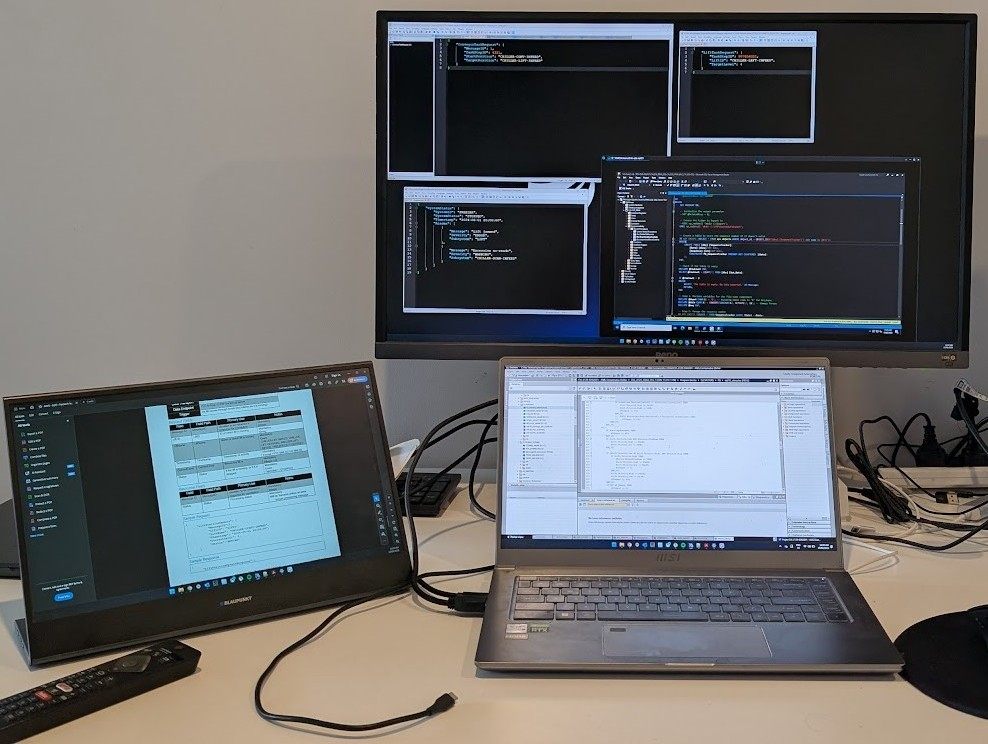
Programming
PLC, HMI and SCADA development. Structured, simulated and tested before deployment, with MES and SQL integration.
View service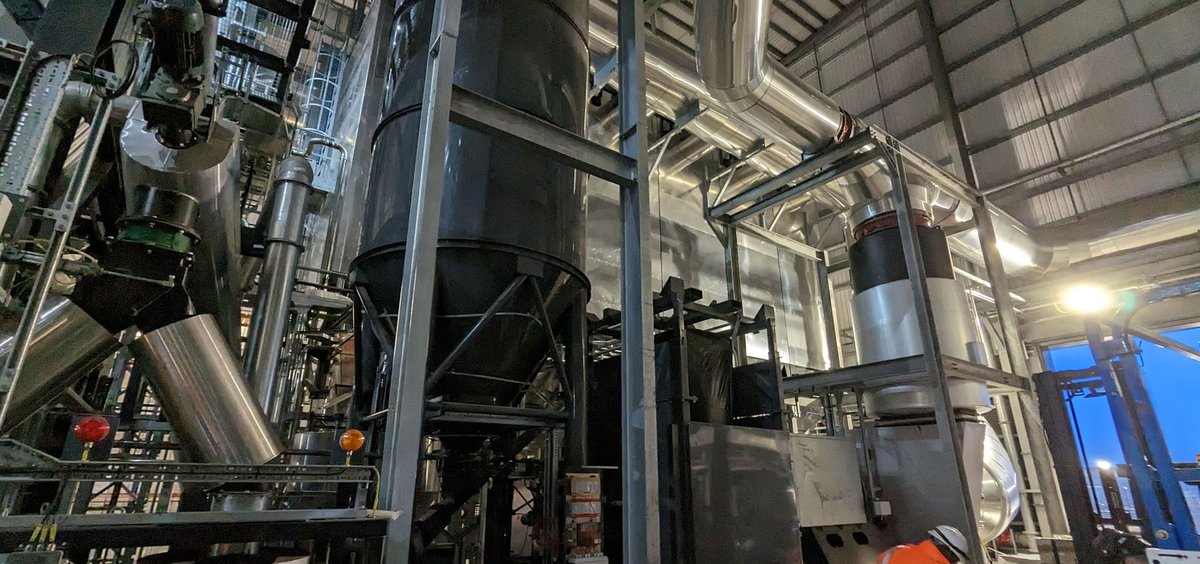
Consultancy
Practical advice early, before the budget is locked. Concept-to-commissioning alignment, machine and process safety, documentation.
View service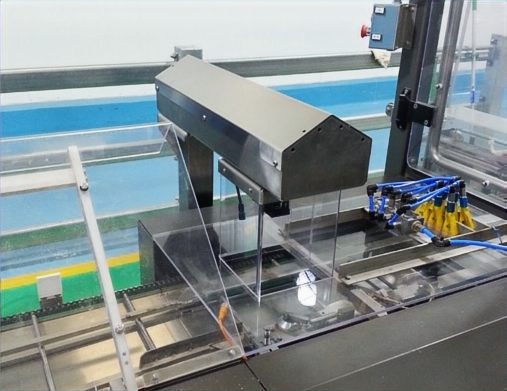
Commissioning
On-site, remote and hybrid. Every device, control loop and safety system verified before handover, anywhere globally.
View serviceThinking about a twin
for your next upgrade?
Tell us the plant, the change and the shutdown window. We will tell you honestly whether a twin earns its place on the job.