Animal feed blending automation, Beaudesert QLD.
Semi-automatic blending system integrated with Tencia ERP via SQL. RFID operator authentication, barcode-driven ingredient selection, and gravimetric dosing at the configured stations — Micro Rooms 1 & 2 plus Bulk Blending. Distributed remote I/O across each station.
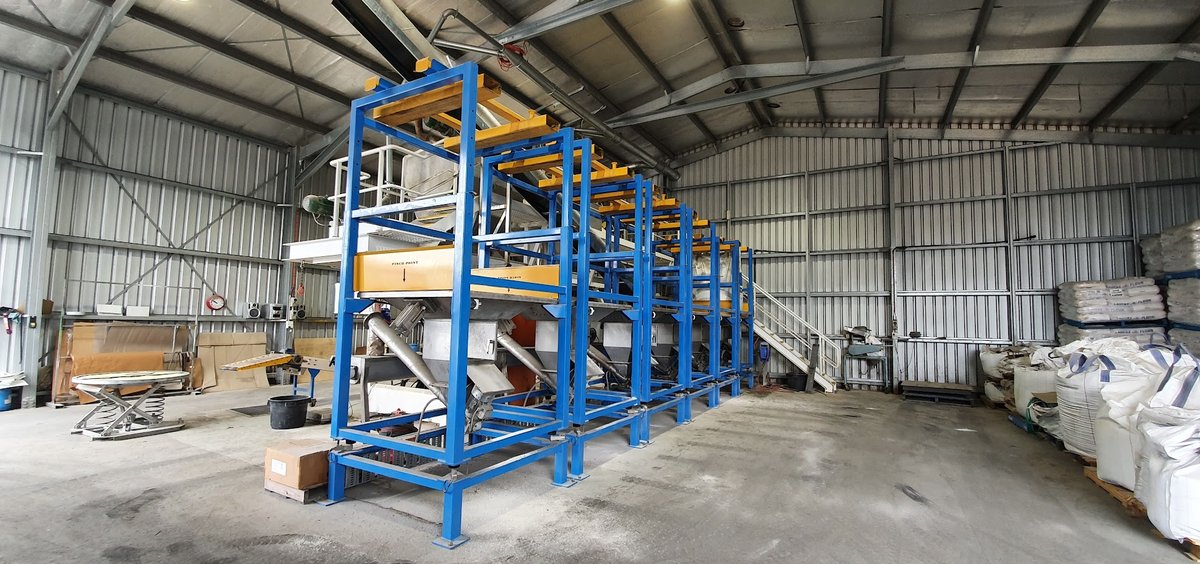
Semi-automatic. ERP-integrated. Operator-gated at every step.
This Beaudesert feed mill blends micro-ingredients across physically separate stations: Micro Room 1, Micro Room 2, and Bulk Blending. The system is semi-automatic by design. Operators physically load each ingredient; the system guides what they load, confirms it, weighs it, and records it. Nothing is dosed without operator action and nothing is accepted without gravimetric verification.
Tencia ERP is the source of truth for recipes. A SQL bridge pulls the active recipe down to the HMI at batch start and writes the completed batch result back to ERP on close. No transcription. No paper batch sheets. The record in ERP is the same record the system captured at each addition.
- Industry
- Agriculture — Animal feed
- Service
- Programming
- Location
- Beaudesert, QLD
- Year
- 2017
- Control
- Industrial PLC · Distributed remote I/O
- Integration
- Tencia ERP via SQL
Manual weighing, no traceability, recurring batch variance.
Before this project, micro-ingredients at the mill were weighed by hand. Vitamins, minerals, and additives were scooped and measured on bench scales with no system confirmation that the right material had been picked or that the weight landed within tolerance. The only batch record was a paper sheet filled out by the operator. Batch variance was a recurring problem, and when a quality question came up, tracing back through handwritten records was slow and unreliable. The customer needed recipe enforcement at the point of dosing, gravimetric verification for every addition, and batch records that matched ERP automatically.
Fully automatic dispensing was not viable. The nature of micro-ingredient blending at this scale meant operators would continue to physically handle and load materials. The system had to work with that model, not against it: guide the operator, confirm each step, catch errors before they compound, and record everything. Stations spread across separate rooms added a network topology dimension on top of the control problem. Getting I/O from each cell back to a single controller without running individual signal cables between rooms shaped the hardware approach from the start.
RFID gates the batch. Barcode confirms the ingredient. ERP closes the loop.
Each batch starts with an RFID swipe. The operator presents their card at the station; the system logs who opened the batch and when. That record cannot be removed and cannot be attributed to a generic login. From there, the recipe drives the sequence. When the operator is prompted to add an ingredient, they scan the barcode on the container before the scale opens. If the scan does not match the recipe step, the system stops and flags the mismatch. No weight is accepted until the right material is confirmed. Gravimetric dosing then records the actual weight dosed against the recipe target and tolerance. Every addition gets its own record: operator, ingredient, target, actual, timestamp.
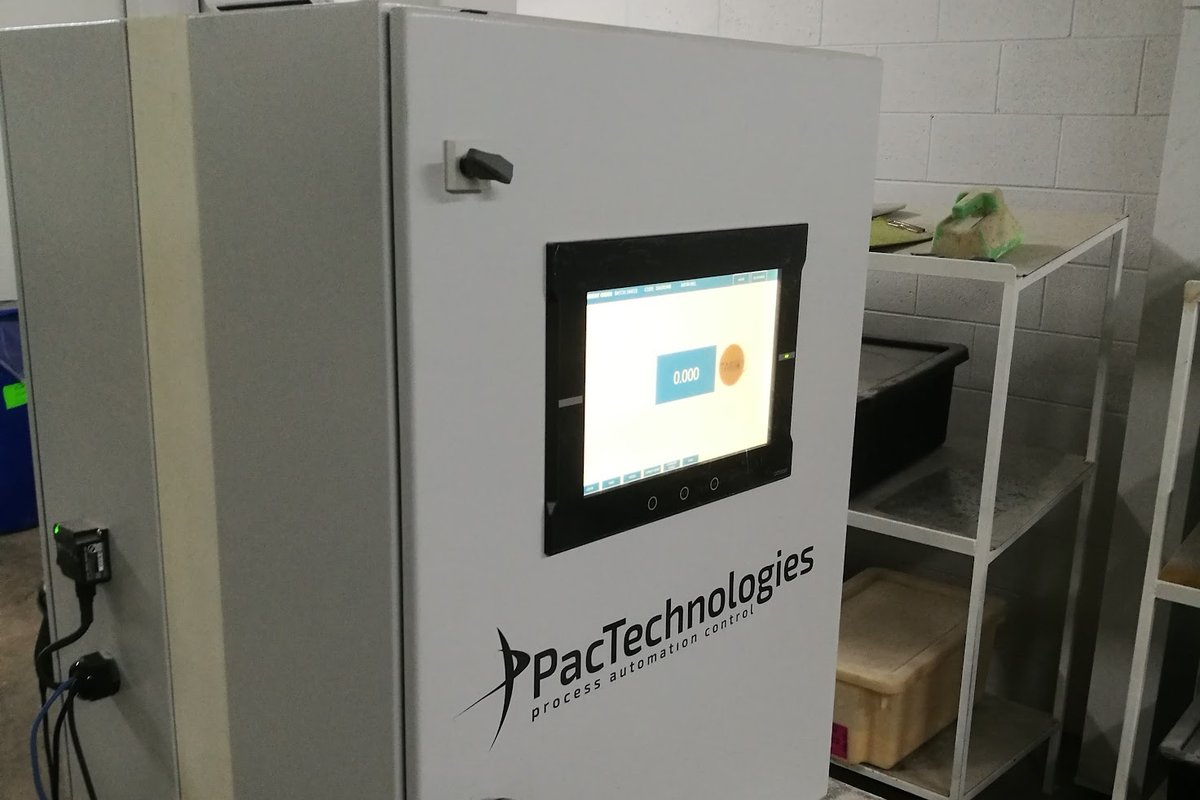
The Tencia ERP SQL bridge handles recipe management and batch closure. At batch start the HMI pulls the current recipe from ERP via a SQL query; there is no manual recipe entry at the HMI. At batch end the completed results write back to ERP directly, closing the batch record in the system without any operator transcription step. Distributed remote I/O solves the multi-room topology. A single PLC manages every station with remote I/O nodes in each room. Signals travel over network cabling rather than individual hardwired runs, which kept the installation cost down and the topology clean.
- Control
- Industrial PLC, distributed remote I/O
- Stations
- Micro Room 1 · Micro Room 2 · Bulk Blending
- Operator auth
- RFID
- Ingredient selection
- Barcode-driven
- ERP
- Tencia via SQL
Batch records that match ERP. Every addition verified.
The mill moved from handwritten batch sheets to a complete digital audit trail covering every addition at every station. Gravimetric dosing removed the manual weighing step as a source of batch variance. The ERP integration removed transcription entirely: the batch record in Tencia is produced by the system, not by an operator copying numbers after the fact. Operator RFID records are time-stamped and auditable, so any batch question can be traced back to the specific operator, station, and addition.
- Full batch traceability from recipe download through to ERP write-back, across every station
- Barcode confirmation at ingredient pickup prevents wrong-material additions before any weight is taken
- Gravimetric records for every addition, with actual weight and recipe tolerance captured per step
- Operator RFID log auditable per batch, per station, with no manual attribution required
More projects.
All projects →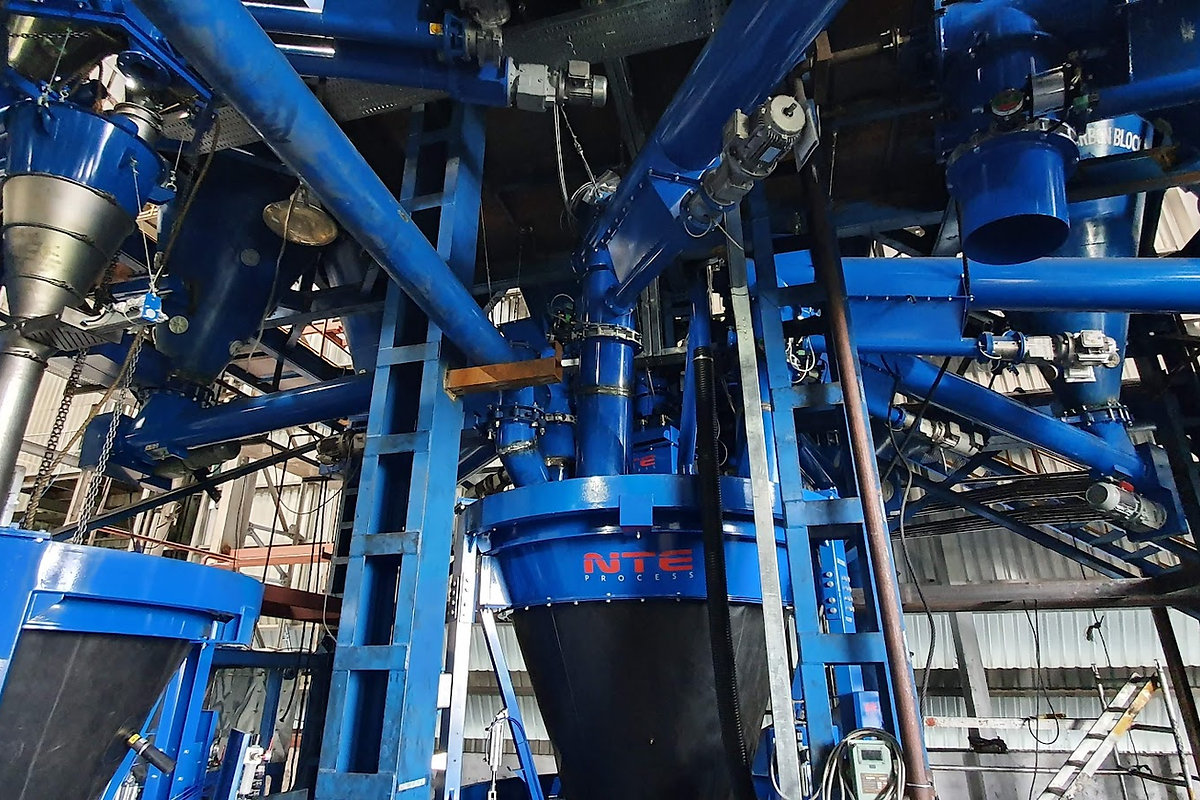 Process
Rubber dosing automation, Chennai
Allen-Bradley ControlLogix for precision gravimetric rubber compound dosing.
 Logistics
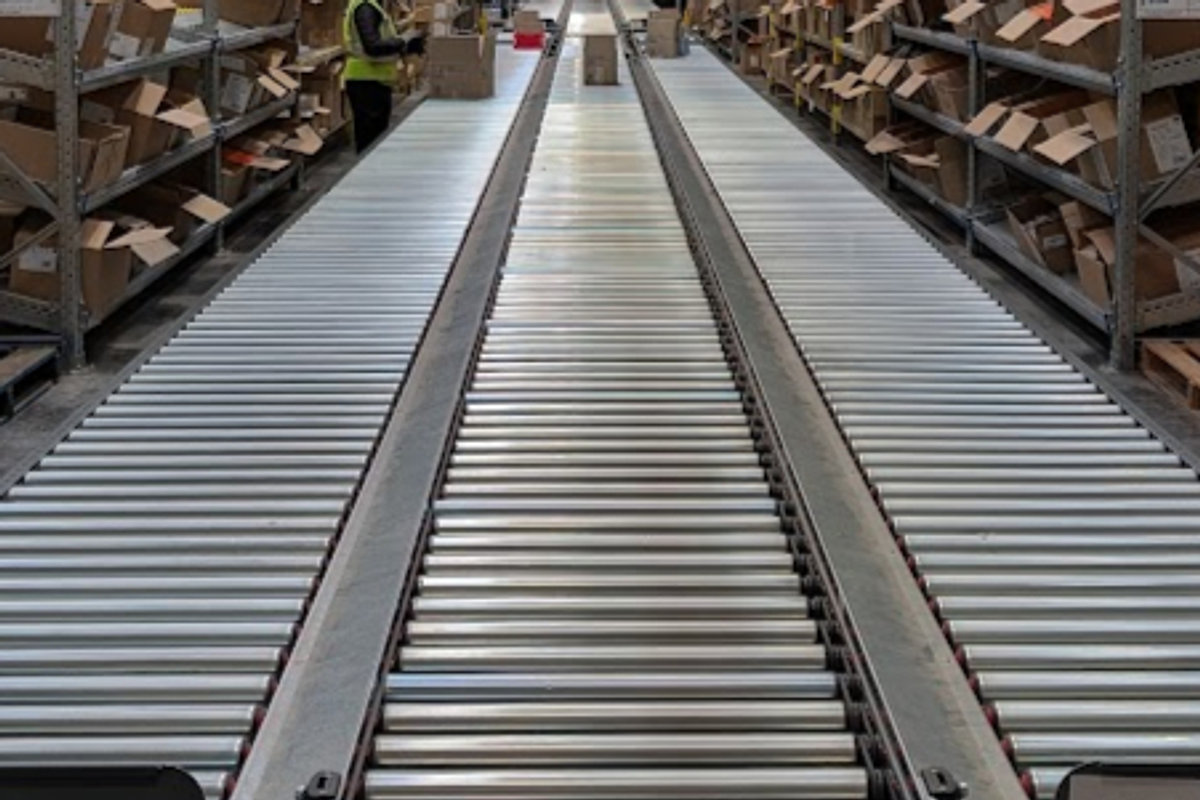
Automated carton sortation, Ravenhall VIC
Omron NX102, 13 lanes, zero-pressure accumulation and barcode-driven divert logic.
 Food & Beverage
Automated pallet freezer, Cootamundra NSW
A giant vending machine for pallets — nine levels, dual elevators, −27°C.